Which SUV handles off-road climbs better around Golden, CO — the 2026 Jeep® Wrangler or the 2026 Toyota 4Runner?
Fowler Jeep of Boulder - Which SUV handles off-road climbs better around Golden, CO — the 2026 Jeep® Wrangler or the 2026 Toyota 4Runner?
When you’re choosing between the 2026 Jeep® Wrangler and the 2026 Toyota 4Runner for trail days around Golden, CO, one question rises to the top: which SUV gives you the most confident, controllable climb on rutted ascents, ledgy switchbacks, and off-camber segments? Both are body-on-frame champions, but the way they deliver traction and precision feels very different on real Colorado trails. Let’s break down the key systems—what they do, how they interact, and where each model shines when the grade steepens and the line narrows.
Start with the building blocks. Wrangler relies on front and rear solid axles across the lineup. Solid axles keep the wheels connected side-to-side, helping maintain tire contact and consistent ground clearance under the differential pumpkin as the chassis articulates. That mechanical consistency matters when you’re threading boulders or easing over a ledge—especially on tight trails where momentum is limited and throttle finesse prevents wheelspin. The 4Runner counters with independent front suspension (IFS) and a solid rear axle. IFS is great for smoother ride quality at speed, but it typically gives up some articulation and durability on the sharpest, rockiest steps. That’s where Wrangler’s available electronic sway bar disconnect on Rubicon models further opens up suspension travel, keeping rubber on rock for steadier grip at low speeds.
Low range gearing, lockers, and crawl control compared
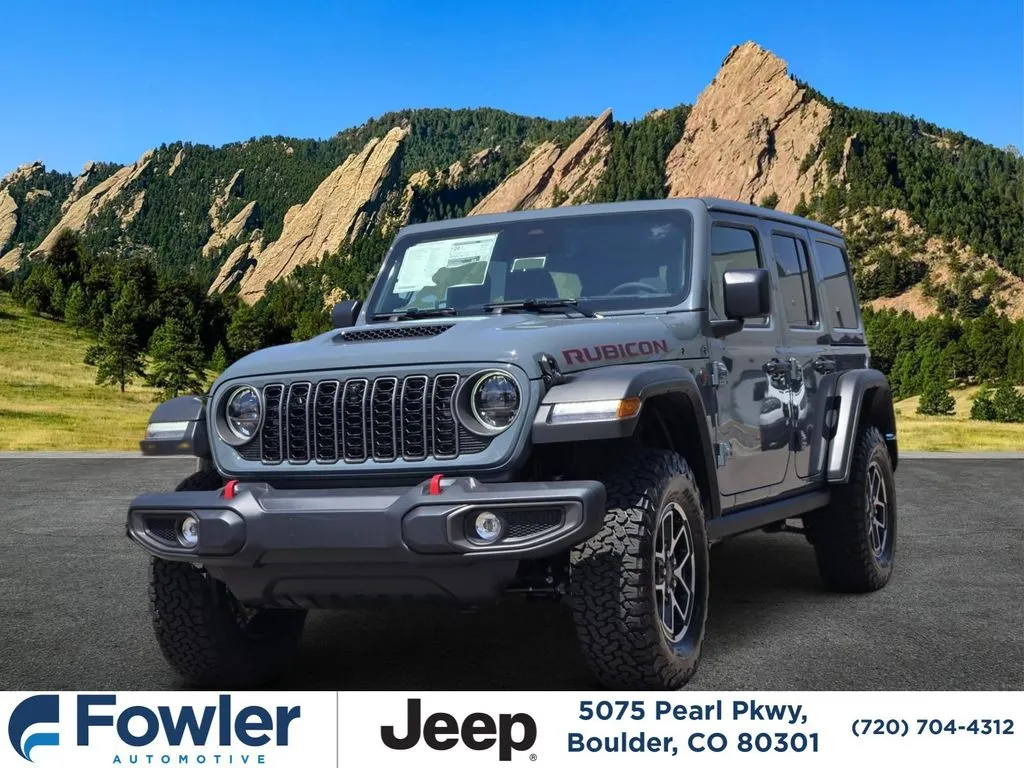
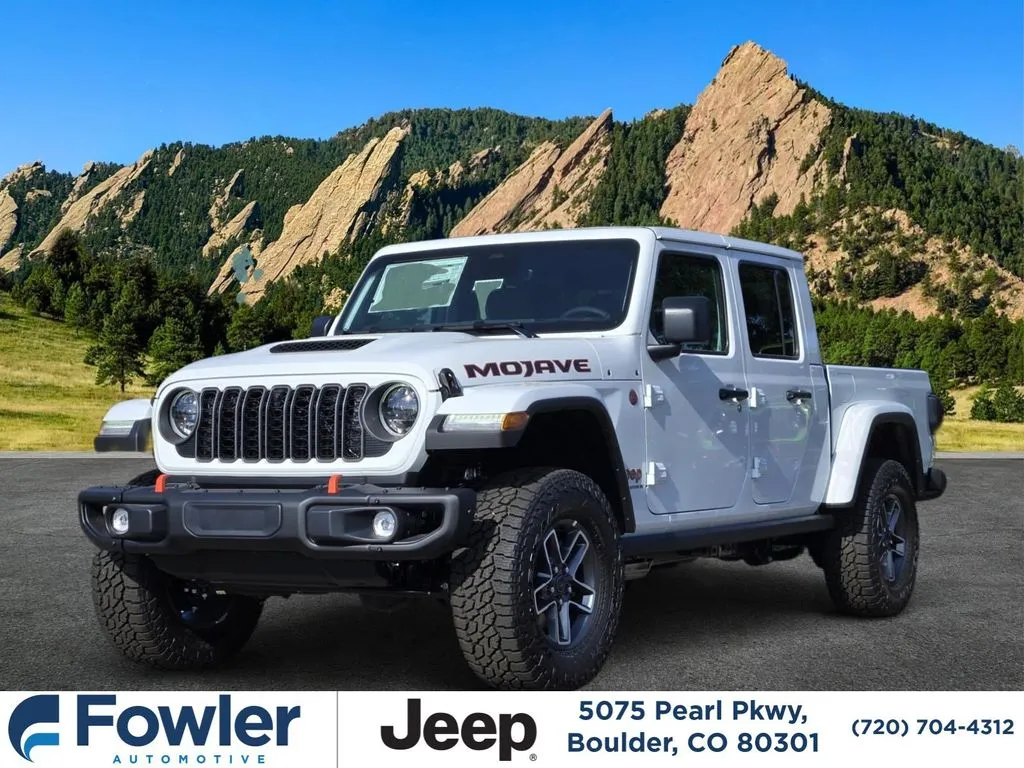
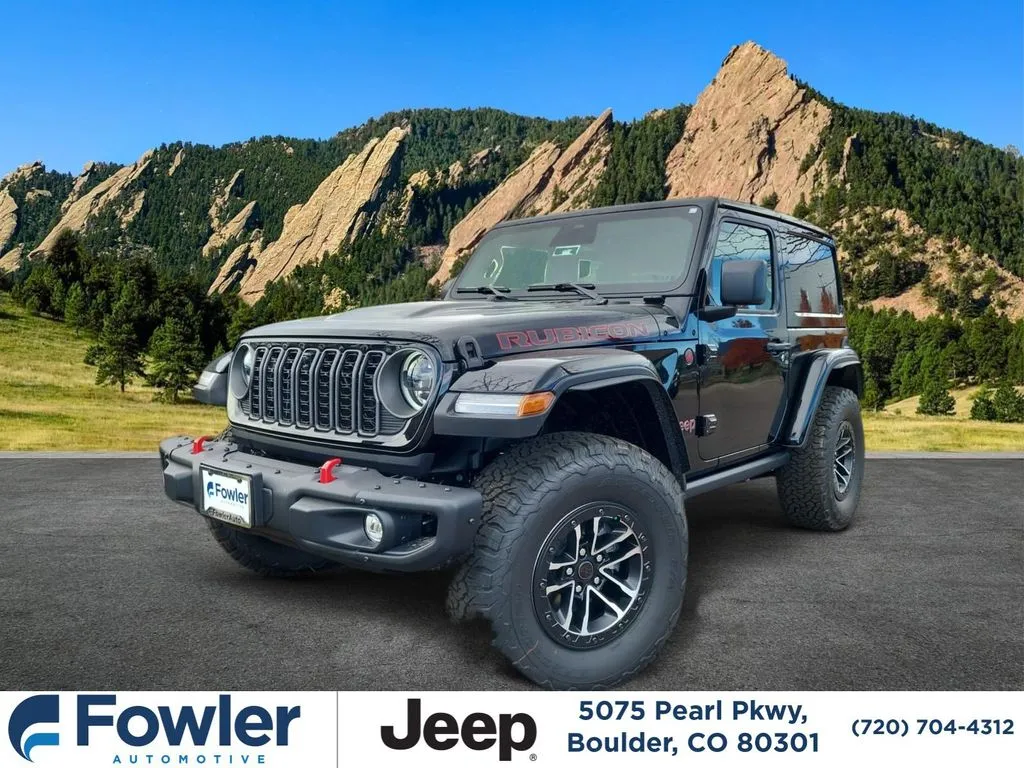
Wrangler Rubicon’s Rock-Trac® 4x4 with a 4:1 low range multiplies torque at the wheels, and when equipped with the manual transmission and available 4.88 axle ratio, it can deliver a remarkable 100:1 crawl ratio. Paired with available Tru-Lok® front and rear electronic locking differentials, you can meter forward motion at a walking pace, set a line, and stay composed when traction changes underfoot. Toyota 4Runner brings impressive hardware of its own, with a 2-speed transfer case, available part-time or full-time 4WD, and Multi-Terrain Select with Crawl Control. Its Stabilizer Disconnect Mechanism (on select grades) improves articulation versus a fixed bar. Crawl Control automates throttle and braking to maintain a set speed—useful for steady progress on looser surfaces. For drivers who like the vehicle to manage more of the inputs, it’s a confidence boost. For those who prefer direct control, Wrangler’s manual transmission availability and ultra-low gearing let you decide how much torque to apply and when.
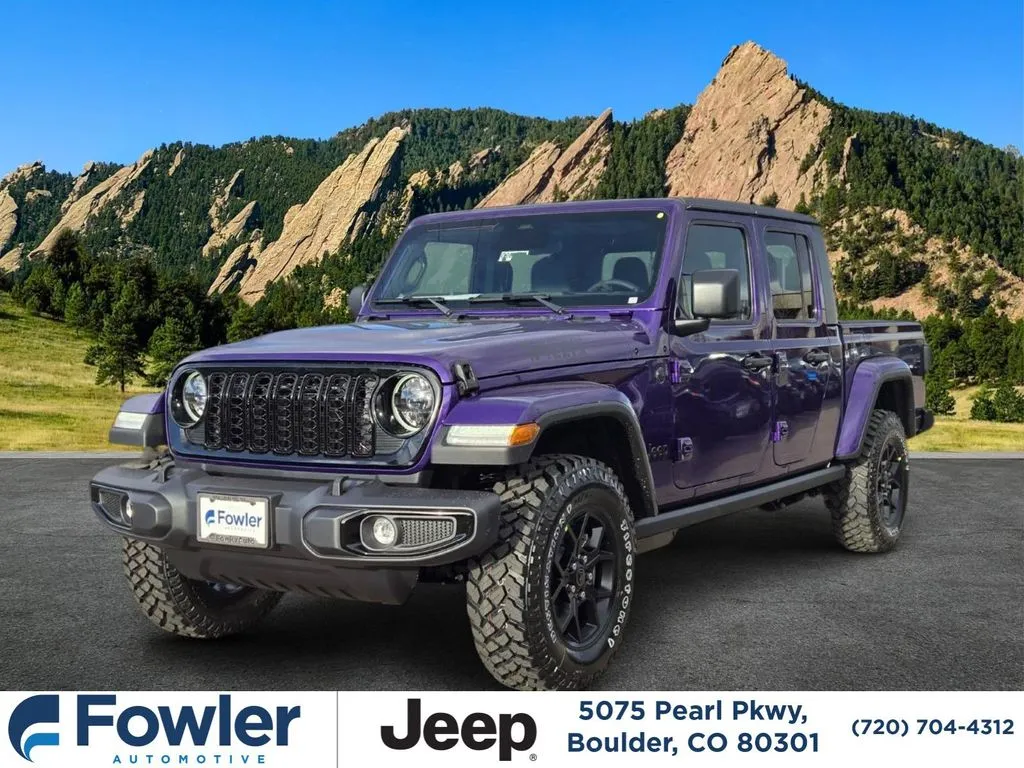
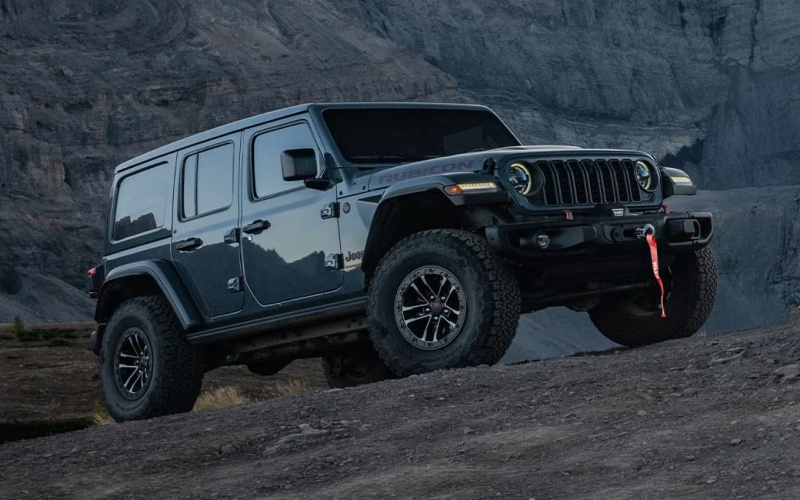
Tire size and armor matter, too. Wrangler’s available Xtreme 35-Inch Tire Package from the factory increases breakover and approach/departure angles, making it easier to clear cresting shelves and avoid bumper scrapes. And because Jeep locates the front radar sensor above the rearview mirror, you can keep an available winch-capable steel bumper and even opt for a factory-installed WARN® winch without sacrificing driver assistance tech. On 4Runner TRD Pro and Trailhunter, standard 33-inch all-terrain tires offer solid grip and sidewall strength. Toyota’s accessory ecosystem is extensive, and many buyers build up from there. Still, it’s hard to overstate the advantage of a factory 35-inch package and the ability to integrate a winch straight from the showroom for true test-and-go confidence.
Steep, technical Golden-area climbs: how they feel in each SUV
On a steep, technical line, Wrangler’s slow-speed control stands out. You can pick a gear, let the low-range gearing do the heavy lifting, and rely on locked differentials to push evenly across slickrock or loose shale. The rigid axle geometry keeps more tire on the ground, so the vehicle settles into the terrain rather than constantly unloading a corner. The 4Runner feels planted in many conditions as well, and its Crawl Control is excellent at smoothing wheelspin on dirt or loose gravel. On large, staggered rocks, though, IFS up front may lift a tire more quickly, requiring you to adjust inputs or lean more on brake-based traction to maintain progress. It’s capable—just a different style of ascent, and more dependence on the electronic systems than on ultra-low gearing and axle articulation.
On descents, both vehicles inspire confidence, and 4Runner’s downhill assist features are helpful for sustained grades. Wrangler’s mechanical leverage with low range and the option of a manual gearbox let some drivers modulate precisely without extra electronics—again, it comes down to whether you prefer the vehicle to set the pace or to set it yourself. If you’re new to technical trails, either approach works. If you already enjoy choosing lines and reading terrain, Wrangler’s more analog feel can be especially rewarding.
Everyday usability and trail-day practicality
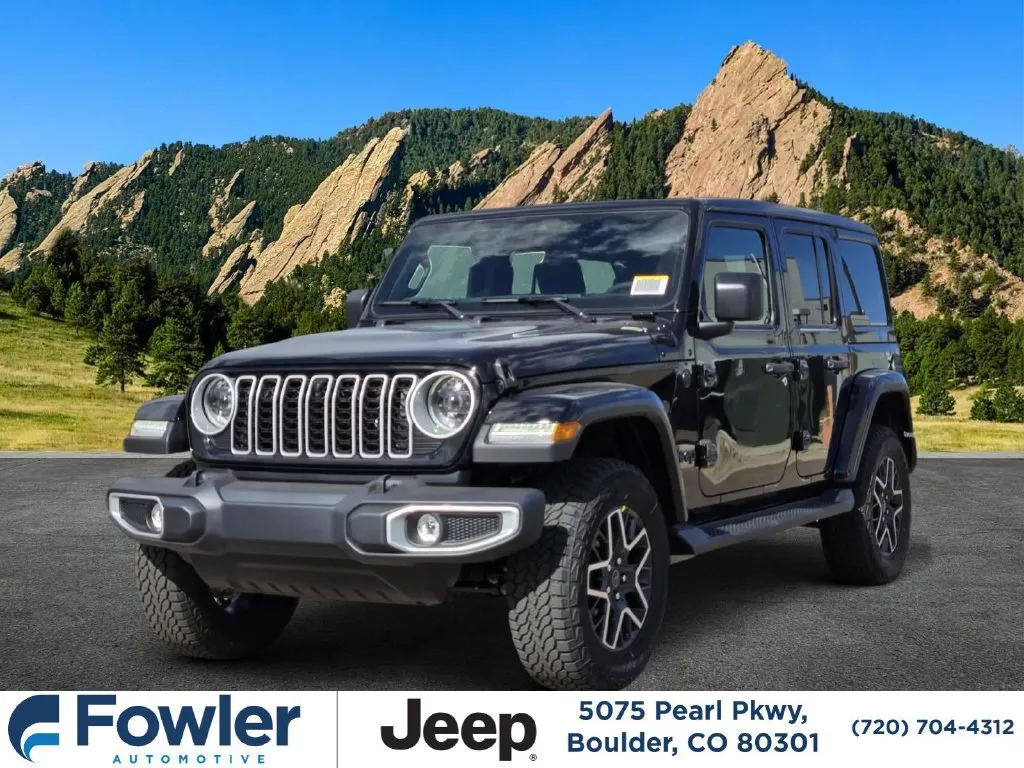
A big part of the off-road decision involves what happens the other five days of the week. Wrangler’s quick-release door hinges and multiple top choices—including the available Sky One-Touch® Power Top—turn a quick drive to a trailhead into something you look forward to before the dirt even starts. The open-air feel is a highlight on scenic park roads and paved overlooks. 4Runner counters with outstanding practicality: that signature power rear window is perfect for hauling gear or letting air flow through the cabin, and available pre-wired AUX switches plus an available onboard air compressor make accessory life easier. It’s a stellar combo for overlanders who prefer a fixed-roof platform and modular interior storage.
How to decide based on your climbing style
If you want a vehicle that converts more of your inputs into controlled, ultra-slow movement on rocky steps—especially if you prize a manual gearbox, lockers, and long-travel articulation—Wrangler tilts the table your way. If your style leans toward a high-tech approach with automated traction aids, 4Runner is a confident partner. Many shoppers take both for back-to-back test drives and bring a short list of their regular off-road scenarios to see which SUV “speaks” to them on familiar climbs.
- Prefer hands-on control: Wrangler Rubicon’s 4:1 low range, available manual transmission, and solid axles deliver a classic, highly controllable crawl.
- Prefer automated assist: 4Runner’s Crawl Control, Multi-Terrain Select, and available Stabilizer Disconnect Mechanism support steady progress with fewer inputs.
- Want factory 35s and winch option: Wrangler’s Xtreme 35-Inch Tire Package and available factory-installed WARN® winch build trail confidence on day one.
Both SUVs are right at home along the Front Range. The ultimate answer to the “which climbs better?” question depends on your technique, your routes, and how much you want the vehicle to do for you versus how much you want to do for the vehicle. The best next step is to test each on the terrain you actually drive.
Ready for a hands-on comparison you can feel in the seat and through the wheel? Fowler Jeep of Boulder is here to help you explore setups, from axle ratios and tire choices to tops and accessories—serving Golden, Highlands Ranch, and Castle Pines with local insight and a focus on pairing you with the right configuration the first time.
Frequently Asked Questions:
Does the Wrangler’s manual transmission make a big difference off-road?
For many drivers, yes. A manual lets you fine-tune engine braking and throttle at very low speeds, which can reduce wheelspin on ledges and help you place the vehicle more precisely. It’s personal preference, but if you like direct control, it’s a meaningful advantage.
How do the SUVs compare for long, mixed-surface road trips?
Both are capable tourers. 4Runner emphasizes a calm, fixed-roof platform with user-friendly cargo access via the power rear window. Wrangler offers strong ride comfort and modern tech, plus the option to go open-air between trail segments, which many owners consider part of the adventure.
What about tire sizes from the factory?
Wrangler offers an available 35-inch package right from the factory, which boosts breakover and approach/departure angles. 4Runner equips TRD Pro and Trailhunter with rugged 33-inch all-terrain tires, a solid setup most owners will appreciate.
Can both be flat-towed behind an RV?
Select Wrangler configurations can be flat-towed when properly equipped and set up. Toyota does not generally approve flat-towing the 4Runner; consult the owner’s manual for specific guidance.